





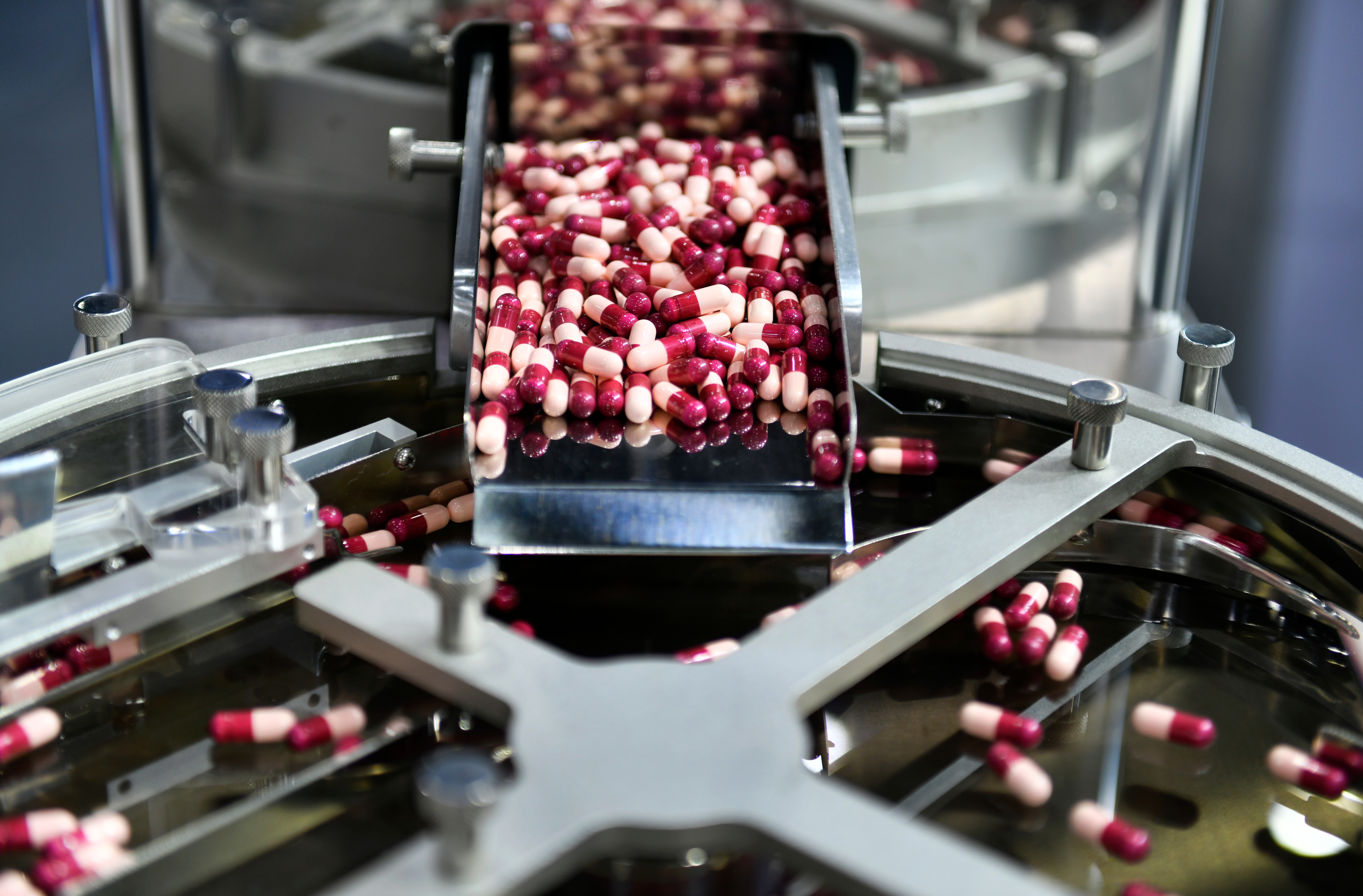
Vietnam is rapidly strengthening its pharmaceutical manufacturing capabilities, with growing investment in Active Pharmaceutical Ingredients (APIs) positioning the country as an increasingly important player in Southeast Asia's pharmaceutical supply chain.
According to IMARC Group, Vietnam's Active Pharmaceutical Ingredients (API) market reached US$1.053 billion in 2025 and is forecast to grow to US$1.910 billion by 2034. The expansion reflects rising demand for generic medicines, increasing pharmaceutical production and government efforts to improve domestic self-sufficiency in drug manufacturing.
APIs are the biologically active components of medicines that produce their therapeutic effect. They are essential to the manufacture of tablets, capsules, injectables, topical medicines and biologics, making them the foundation of the pharmaceutical industry. As Vietnam seeks to reduce its reliance on imported pharmaceutical ingredients, investment in API production is becoming a strategic priority.
Several long-term trends are driving market growth:
- Expansion of domestic generic drug manufacturing.
- Government policies encouraging pharmaceutical self-sufficiency and local production.
- Increasing pharmaceutical exports serving ASEAN and international markets.
- Growing investment in research and development of innovative medicines.
- Rising demand for oncology, cardiovascular, diabetes and neurological therapies.
- Expansion of contract manufacturing and merchant API production.
- Increasing production of biotechnology-derived APIs, including monoclonal antibodies, vaccines and biosimilars.
The API market is also benefiting from the rapid growth of Vietnam's wider pharmaceutical sector. IMARC Group estimates the country's pharmaceutical market reached US$7.98 billion in 2025 and is expected to expand to US$14.65 billion by 2034, driven by population growth, rising healthcare expenditure and increasing demand for innovative medicines.
Biopharmaceutical manufacturing is becoming an increasingly important contributor to API demand. Vietnam's biopharmaceutical market reached US$1.4 billion in 2025 and is projected to double to US$2.8 billion by 2034, supported by increasing investment in biologics, biosimilars and advanced therapeutic products. The government's ambition to supply 70–80% of domestic pharmaceutical demand through locally manufactured medicines by 2030 is expected to further stimulate investment across the API value chain.
Globally, API manufacturing is undergoing significant transformation. According to IMARC Group, the global API market reached US$256.4 billion in 2025 and is forecast to grow to US$376.2 billion by 2034, driven by expanding pharmaceutical demand, increasing biologics production and greater outsourcing of manufacturing. Vietnam is well positioned to benefit from these trends as pharmaceutical companies diversify supply chains and seek additional manufacturing capacity across Asia.
The Vietnamese API market spans both synthetic and biotechnology-derived APIs, serving therapeutic areas including oncology, cardiovascular disease, respiratory medicine, diabetes, neurology and infectious diseases. Growth is particularly strong in generic APIs, reflecting the increasing number of patent expirations and demand for cost-effective medicines.
Leading international companies active in API manufacturing include Lonza, Cambrex, Thermo Fisher Scientific, EuroAPI, BASF Pharma, Dr. Reddy's Laboratories, Sun Pharmaceutical Industries, Teva Pharmaceutical Industries, Aurobindo Pharma and WuXi AppTec, alongside a growing number of Vietnamese pharmaceutical manufacturers investing in local API production.
As Vietnam continues to modernise its pharmaceutical industry and strengthen domestic manufacturing capabilities, APIs will remain at the centre of the country's healthcare and life sciences strategy. For manufacturers of pharmaceutical ingredients, processing equipment, cleanroom technologies, analytical instrumentation, contract manufacturing services and quality assurance solutions, Vietnam represents one of Southeast Asia's most attractive long-term investment opportunities.
Further News
Discover the latest news, reports, and industry developments from across the healthcare, laboratory, diagnostics, and biopharmaceutical sectors, keeping you informed on the trends shaping the future of healthcare across Vietnam, ASEAN, and the wider Asia-Pacific life sciences market.

Human Microbiome, Probiotics & Biotechnology

Vietnam’s Biopharmaceutical CDMO Opportunity Grows as the Country Targets High-Value Biologics Manufacturing